
Today marks the anniversary of September 11, 2001—a day of unimaginable loss. Nearly 3,000 Americans were murdered in coordinated terrorist attacks. The grief was real. The fear was justified. But the response? It became something else entirely.
In the name of justice, the United States launched the War on Terror. Over the next two decades, that war claimed the lives of more than 363,000 civilians across Afghanistan, Iraq, Syria, Yemen, and Pakistan. The total death toll—including combatants, journalists, and aid workers—approaches 900,000.
These were not accidents. They were the result of deliberate policy, drone strikes, invasions, and occupations. And they were justified with the same language we hear today: “threats,” “terrorists,” “national security.”
Fast forward to this week.
President Donald Trump bragged about ordering a strike that killed 11 Venezuelans on a boat suspected of drug smuggling. No trial. No names. Just a video of the explosion and a caption: “BEWARE.”
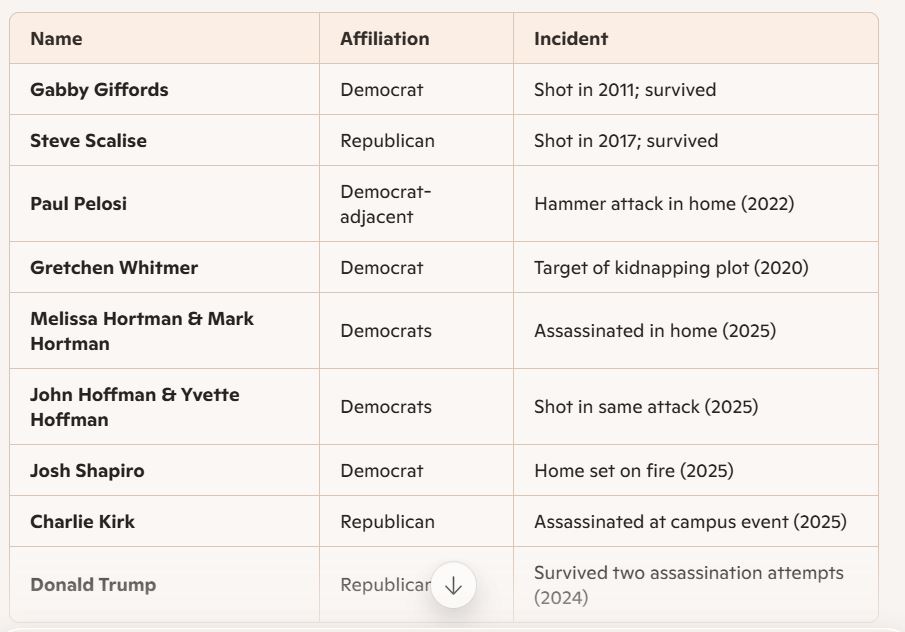
Days later, Charlie Kirk, a conservative activist, was assassinated while speaking at a university. Trump responded with solemnity, grief, and fury—calling Democrats “terrorists” and promising retaliation.
This is not just hypocrisy. It’s a moral collapse.
A pacifist sees murder as murder. Whether it’s by drone or by gun, whether the victim is a political ally or adversary, the moral cost is the same. The selective outrage—grieving one death while glorifying another—erodes our shared humanity.
The War on Terror didn’t just avenge 9/11. It multiplied its death toll a hundredfold. And now, in 2025, we see the same pattern: state violence is celebrated, while personal violence is condemned—but only when it’s politically convenient.
🧭 What We Must Refuse
- Refuse to let grief be weaponized.
- Refuse to let state violence be sanitized.
- Refuse to let political affiliation determine moral worth.
If we mourn Charlie Kirk, we must also mourn the 11 Venezuelans. If we condemn his assassination, we must also condemn the strike that killed them. If we remember 9/11, we must also remember the civilians who died in its name.
Otherwise, we are not defending life. We are defending a brand.
Peace & Love, and all of the above,
Earl
 earlthepearl137