Up Up and Away in my Beautiful Balloon

Every once in a while, I like to keep my humility properly tuned by watching an AI‑generated version of a Richard Feynman physics lecture on YouTube. Nothing reminds me faster that I once flunked Physics and Calculus at Queens College in 1966 — a double‑whammy that cost me my draft deferment and launched my inglorious but memorable career in the U.S. Navy.

Sixty years later, I still couldn’t pass a freshman physics exam, but I enjoy the lectures anyway.

I don’t always understand everything, but I always learn something. Usually, it’s a simple idea Feynman tosses out in the first few minutes. But the other night, I surprised myself by following a good chunk of the lecture. It helped that the topic was helium — the second‑simplest element in the universe, right behind hydrogen.

Unlike hydrogen, which happily combines with other elements (like oxygen to make water), helium is a noble gas. It doesn’t bond with anything. It’s nature’s loner. And because it’s lighter than air, a helium balloon will rise until the balloon pops. The rubber falls back to Earth, but the helium keeps going — right out of the atmosphere and into space. Gravity can’t hold it.

So you buy another balloon. They’re cheap. Helium is cheap. You can get it at any party store.

For now.

But eventually — in a century or two — most of Earth’s helium will be gone, drifting off into space. That means no more birthday balloons, which is sad enough. But the real trouble is that helium is essential for things far more important than parties.

MRI machines, for example, rely on liquid helium to keep their superconducting magnets cold enough to work. And they use a lot of it — more than enough to fill every balloon in a party store. Liquid helium stays liquid at temperatures where everything else freezes solid. That’s why it’s irreplaceable.

So why not just make more?

Well, this is where Feynman earned his paycheck. There are only two ways nature makes helium:

  1. Inside stars, where hydrogen atoms fuse into helium. Unfortunately, we can’t run a star in a warehouse.
  2. Inside rocks, where uranium slowly decays and emits alpha particles — which are helium nuclei. Over millions of years, those helium atoms get trapped underground. That’s the helium we drill for today.

The problem is that both processes take a very long time, and the supply is limited. Once we let helium escape into the atmosphere, it’s gone forever.

If we don’t get smarter about helium, the party won’t just be over — the lights in the MRI room will go out too.

Peace & Love, and all of the above,

Earl

(2) NENA | 99 Red Balloons [1984] (Official HD Music Video) – YouTube


NENA | 99 Red Balloons [1984] (Official HD Music Video)

A Moment with a Man Who Spoke Out

I find it quite hypocritical that the Trump regime wants to have Olympians take Patriot tests, when Trump and his cronies are the ones destroying the Constitution which they swore to defend. The only part they seem to like is the Fifth Amendment.

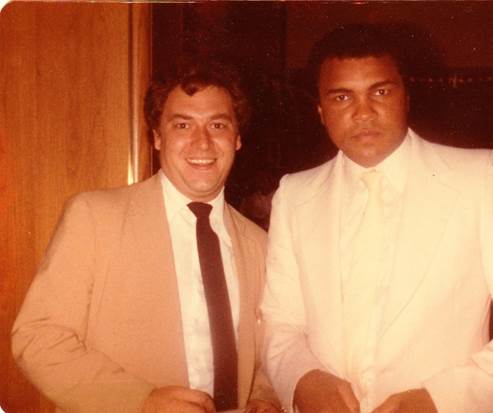
Here’s a photograph I’ve carried with me for decades. Two men in suits, standing shoulder‑to‑shoulder in the lobby of the Vista International Hotel. One of them is me, wearing the brown bellman’s uniform that paid my rent. The other is Muhammad Ali — the most electrifying athlete‑activist of the 20th century.

I didn’t plan it. I didn’t even have my camera on me. This was long before we all carried one in our pockets. I saw him in the lobby, felt that jolt of recognition, and sprinted to my locker like a man chasing a once‑in‑a‑lifetime moment.

“Champ,” I said, “would it be all right if I took your picture?”

His voice was soft — slowed by the early signs of Parkinson’s — but the generosity in it was unmistakable.

“Why don’t you give the camera to my manager,” he said, “and we’ll get a picture together.”

His manager was Angelo Dundee. And just like that, I was standing next to a man who had changed the world with his fists, his faith, and his refusal to be quiet.

That moment has stayed with me not because Ali was famous, but because Ali was Ali — a man who used his platform to confront racism, war, and injustice long before it was safe, popular, or profitable.

And he wasn’t alone.

From Jesse Owens humiliating Hitler in 1936, to Tommie Smith and John Carlos raising gloved fists in 1968, to Colin Kaepernick kneeling in 2016, to modern Olympians speaking out about immigration, LGBTQ+ rights, and police violence — athletes have always been the canaries in the coal mine of American conscience.

They stand on podiums, fields, courts, and rinks — and they tell the truth.

Sometimes with a raised fist. Sometimes with a bowed head. Sometimes with a T‑shirt. Sometimes with a knee. Sometimes with an “L for Loser” flashed at the end of a run, aimed squarely at politicians who want Olympians to pass “patriot tests” while ignoring the very freedoms they claim to defend.

The backlash is always the same. The courage is always the same. And the arc of history — slow as it is — always bends toward the people who were willing to risk something.

Ali risked everything. And on that day in the hotel lobby, he gave me a moment of grace I didn’t earn but will never forget.

That photo isn’t just a keepsake. It’s a reminder: The world changes when people with a platform decide to use it — even when it costs them. Especially when it costs them.

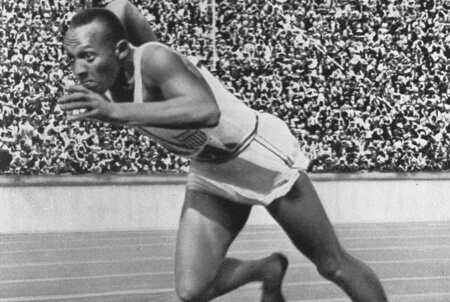
Jesse Owen defied Nazi racial ideology by winning four gold medals in Berlin in 1936. He returned home to segregation and exclusion.

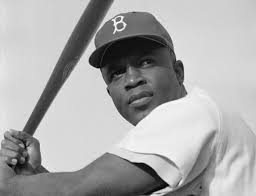
Jackie Robinson — 1947

He broke MLB’s color barrier and endured death threats, slurs, and exclusion from hotels and restaurants.

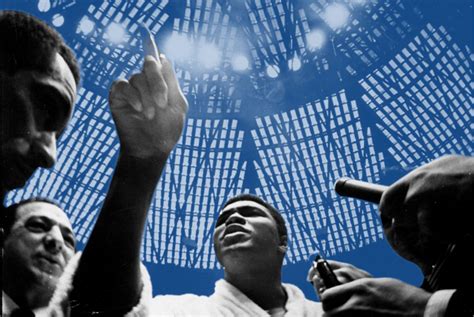
Muhammed Ali 1960

After winning gold in Rome (1960), Ali returned to Louisville and was refused service at a whites‑only lunch counter.  He later said he threw his medal into the Ohio River — a symbolic rejection of a country that celebrated him abroad but denied him dignity at home.

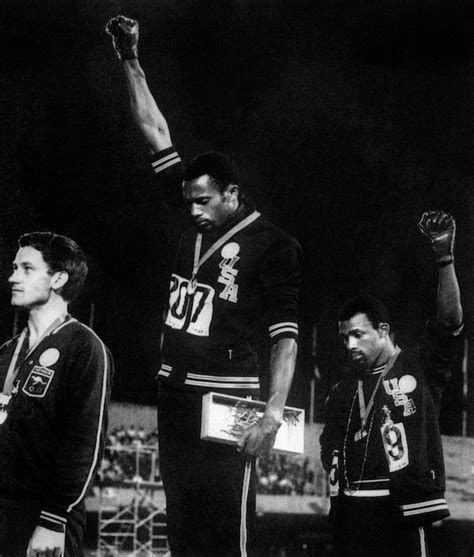
1968: The Black Power Salute – Tommie Smith & John Carlos

They raised gloved fists during the national anthem.  They went shoeless to represent poverty; beads to honor victims of racial violence.  They were expelled from the Games, vilified at home.

Peter Norman wore an OPHR badge in solidarity and was ostracized in Australia for decades.

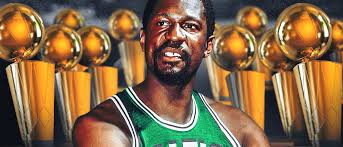
Bill Russell. He boycotted games in cities where he was refused service and spoke openly about racism in Boston and the NBA.

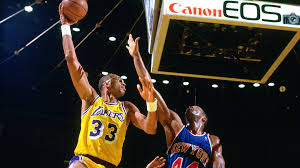
Kareem Abdul‑Jabbar protested the 1968 Olympics by refusing to participate.

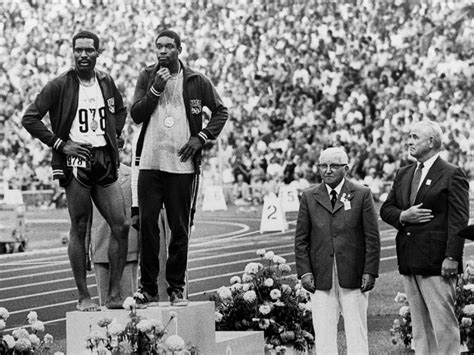
3. 1972 Munich Protest — Wayne Collett & Vince Matthews  Their casual stance during the anthem was interpreted as protest and got them banned from the Games.

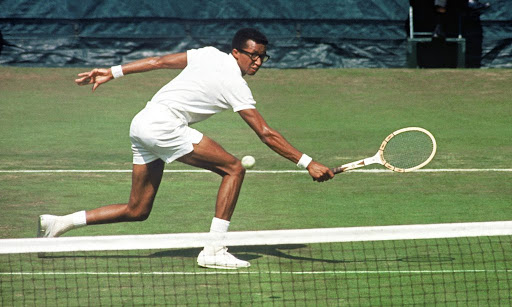
Arthur Ashe used his tennis fame to speak out against apartheid.  He was arrested at protests; wrote extensively about racial justice.

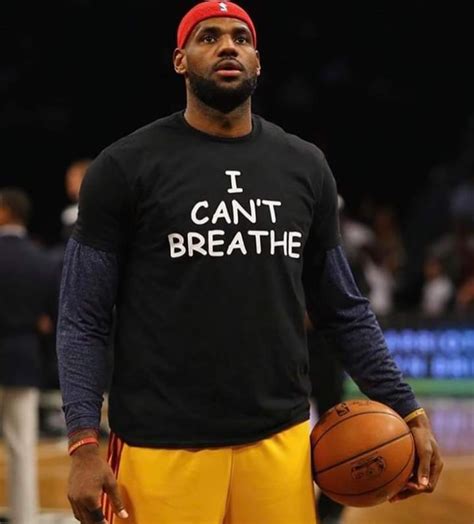
LeBron James & the Miami Heat — 2012 wore hoodies in honor of Trayvon Martin.

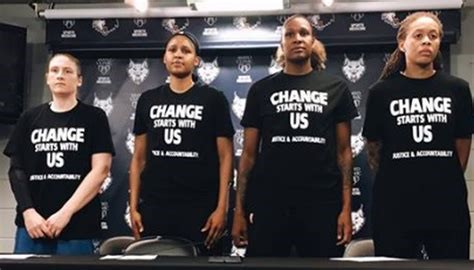
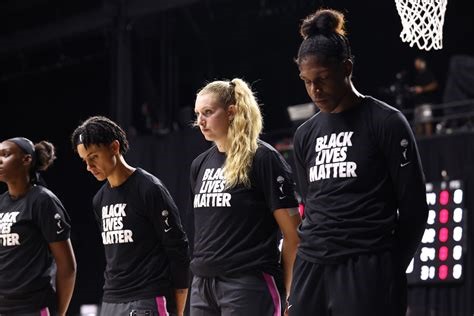
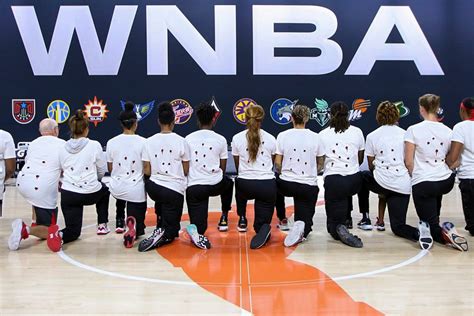
WNBA Players — 2016  Wore shirts supporting Black Lives Matter.  Faced fines and league pressure, which were later reversed.

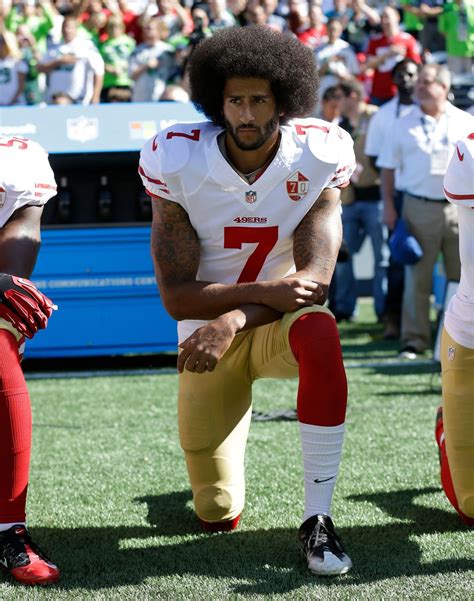
Colin Kaepernick — 2016  Knelt during the national anthem to protest police brutality. Lost his NFL career. Became a global symbol of athlete protest.

Mahmoud Abdul‑Rauf’s anthem protest cost him millions.

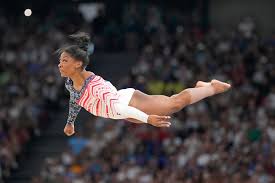
Simone Biles Spoke openly about mental health and the pressures placed on Black women in sports.

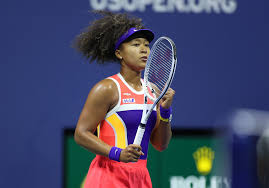
Naomi Osaka Wore masks with names of Black Americans killed by police during the U.S. Open. Used press conferences to highlight systemic racism.

WNBA Protest Photos

The Mystics’ “bullet hole” shirts protesting Jacob Blake’s shooting

Hunter Hess — U.S. Freestyle Skier Criticized U.S. immigration policies and political rhetoric. He was attacked by political figures who said Olympians should “pass patriot tests” or be removed from the team.

Amber Glenn — U.S. Figure Skater Spoke out about LGBTQ+ rights and discrimination. Faced backlash from politicians who said athletes should “represent the country positively.”

Every athlete who speaks out today is walking a path Ali and these others helped clear.

Peace & Love, and all of the above,

Earl