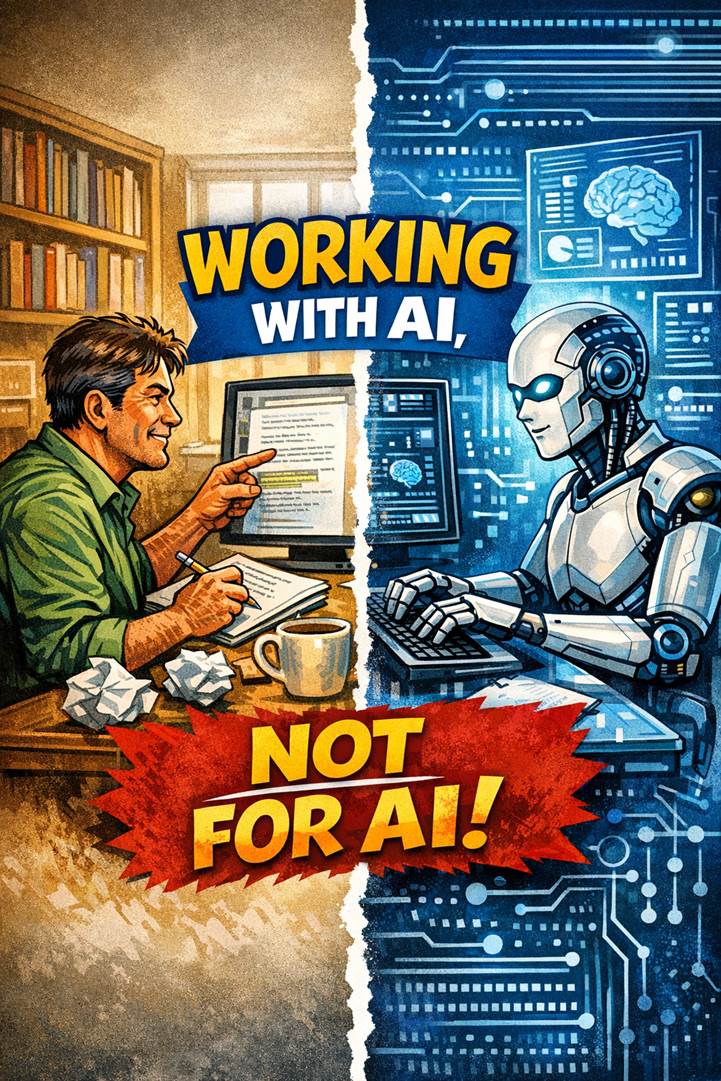
Tomorrow is No Kings Day, and I will be attending the demonstration at Reservoir Park here in Lancaster. I’ll be handing out colorful paperclips and this flyer:
📎 WEAR A PAPERCLIP ON NO KINGS DAY
A small symbol with a big story
On No Kings Day, we remind ourselves that no leader — past, present, or future — should be treated like royalty. Democracy works best when we stay grounded, skeptical of myths, and committed to truth over hero‑worship.
That’s why today, I invite you to wear a paperclip.
Why a paperclip?
Because the humble paperclip has one of the funniest and most revealing stories in modern history.
During World War II, Norwegians wore paperclips on their lapels as a quiet symbol of unity and resistance against authoritarian rule. The clip stood for binding together, staying connected, and refusing to be intimidated.
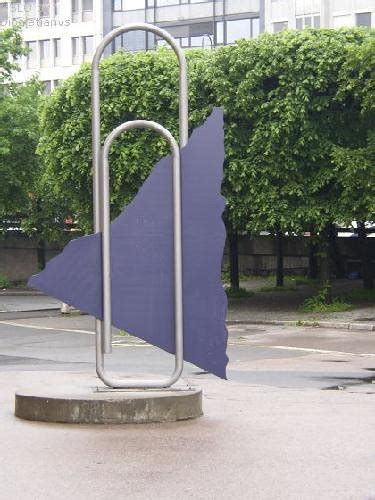
After the war, a national myth grew that Norway had invented the paperclip — a story repeated so often that it became accepted truth, even though the familiar “Gem” clip was actually British. They actually erected a monument to the paperclip in Oslo. The myth wasn’t malicious; it was comforting. It felt good. It made a simple object seem heroic.
But it wasn’t true.
Why it matters today
The paperclip reminds us how easily myths form — how quickly a simple idea can be inflated into legend, and how tempting it is to rewrite history to flatter those in power.
Wearing a paperclip today says:
- We choose facts over flattering stories
- We resist the urge to crown heroes or kings
- We stand together as citizens, not subjects
- We remember that simple ideas don’t make someone a genius — they make them human
Join us
Clip one to your shirt, jacket, or bag. Wear it proudly. Let it say what needs saying:
No kings. No myths. No coronations. Just democracy — held together by all of us.
📎 Take a paperclip. Take a stand.
Peace & Love, and all of the above,
Earl