
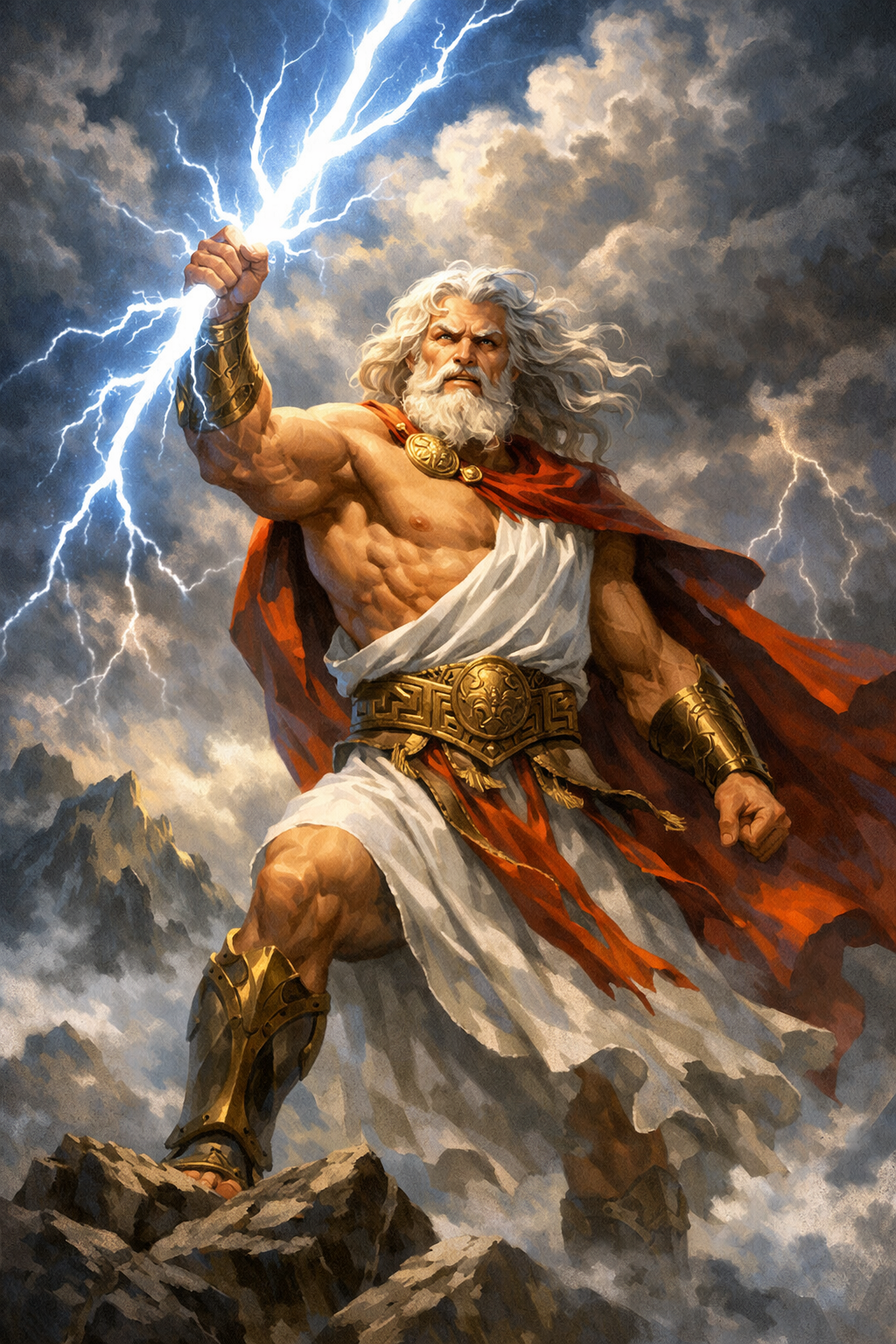
Human beings love stories, but we rarely leave them in the category where they started. We sort them into non‑fiction, fiction, and hybrids — yet stories constantly migrate across those boundaries. What begins as fact can erode into fiction, and what begins as imagination can harden into accepted truth. The story doesn’t change. We do. We no longer believe that Zeus is the one throwing lightning bolts at us.
History is full of ideas that were once treated as solid, respectable non‑fiction but now live in the realm of entertainment or metaphor.
Astrology is the poster child. For centuries, it guided medicine, agriculture, and political decisions. Today it sits next to the comics in the newspaper. The same fate befell alchemy, geocentrism, and humoral medicine. These stories didn’t collapse — our standards for evidence rose.
Religious stories often travel the opposite direction. Ancient religions began as folklore — mythic explanations for origins, morality, and natural phenomena. Over time, these symbolic narratives hardened into literal accounts of reality. Virgin births, miracle cycles, divine messengers: motifs found across cultures because they serve emotional and psychological functions, not empirical ones.
Yet belief can elevate myth into doctrine. Fiction becomes accepted non‑fiction through the mechanism we call faith.
Modern religions like Mormonism and Scientology emerged in eras with literacy, record‑keeping, and documented founders. Their imaginative elements are easier to trace, easier to verify, and harder to hide behind centuries of tradition. Many skeptics see their origin stories as inventions rather than revelations — fiction presented as non‑fiction before time can mythologize it.
Propaganda is the most fluid story type of all. It can morph from fiction to non‑fiction and back again depending on who controls the narrative.
- A false claim repeated loudly enough becomes “truth.”
- A truth inconvenient to power becomes “fake news.”
- A myth weaponized for political gain becomes “history.”
- A documented fact reframed emotionally becomes “belief.”
Propaganda doesn’t just migrate between categories — it exploits the migration. It weaponizes the human tendency to treat stories as reality when they serve our fears, hopes, or loyalties.
Atheists and agnostics represent a small but growing minority in the United States. They decline the suspension of disbelief. They treat religious narratives — ancient or modern — as fiction regardless of cultural endorsement. Their stance isn’t hostility; it’s simply the refusal to migrate stories across categories without evidence.
Fiction requires a conscious suspension of disbelief. You know Superman can’t fly, but you enjoy the story anyway.
Religion requires an unconscious suspension of disbelief. The believer doesn’t experience the leap as imagination — it feels like conviction.
Faith is the invisible bridge that carries a story from fiction into lived reality.
The Real Migration Is in Us
Stories migrate because human beings need meaning, comfort, identity, and explanation. We elevate some stories, demote others, and reinterpret many. Propaganda pushes stories around for power. Faith pulls stories upward for purpose. Skepticism pushes them downward for clarity.
The story itself doesn’t move. We move it.
And in that movement, we reveal what we fear, what we hope, and what we choose to believe.
Peace & Love, and all of the above,
Earl

