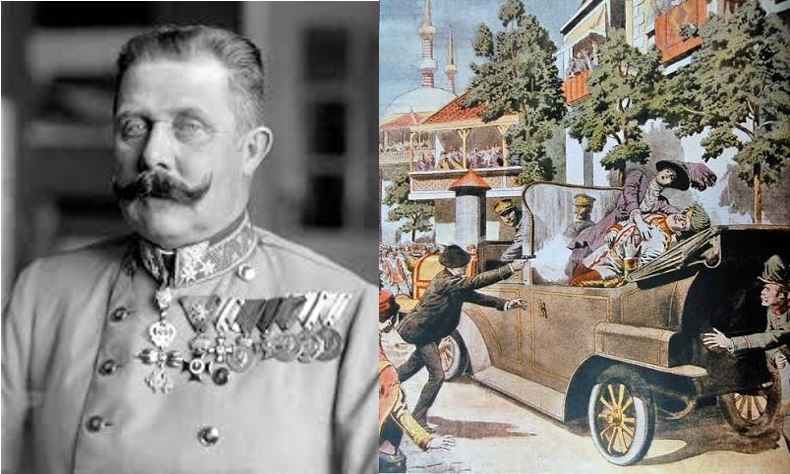
We all learned about it in history class. Archduke Franz Ferdinand was assassinated in Sarajevo on June 28, 1914, and that event helped set the First World War in motion. To this day, I know very little about Franz Ferdinand beyond the fact that he was an Austrian archduke whose death became one of history’s most famous turning points. It is difficult to imagine how the death of one man could plunge much of the world into war.
Of course, it didn’t.
The world was already moving in that direction. Alliances had been formed, resentments had been nurtured, and tensions had been rising for years. The assassination was not the cause of the explosion. It was the spark that ignited a room already filled with explosives.
History is full of such moments.
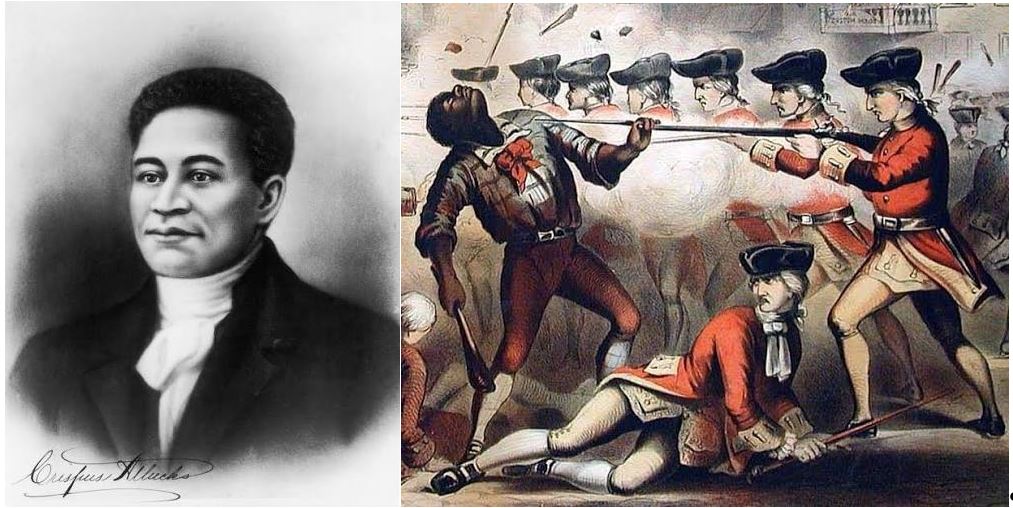
Crispus Attucks (c. 1723-1770) is remembered as the first person killed in the Boston Massacre on March 5, 1770. His death did not create colonial resentment toward British rule, but it gave that resentment a face and a story. The Boston Massacre became one of the events that pushed the American colonies further down the road toward revolution.
The same pattern appeared two centuries later.
The United States became increasingly involved in Vietnam under Presidents Eisenhower, Kennedy, Johnson, and Nixon. Year after year, the war expanded despite mounting casualties, growing public frustration, and increasingly vocal opposition at home. Americans argued passionately over the conflict. Hawks believed the war was necessary. Doves believed it was a tragic mistake. Yet the war continued.
Then came May 4, 1970.
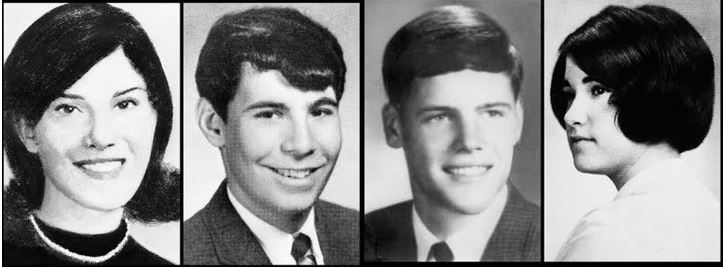
Four students at Kent State University were protesting the war when they were shot and killed by members of the Ohio National Guard. Their deaths did not create opposition to the war, but they became a symbol of how deeply the conflict had torn at the fabric of American life. For many Americans, Kent State marked a turning point. The event crystallized doubts that had been growing for years and intensified demands to bring the war to an end.
That is often how history moves. Long before the tsunami reaches shore, forces are gathering beneath the surface. What people remember is the wave. What historians eventually discover is the earthquake that caused it.
Recent events have reminded many Americans of that lesson.

Renee Good and Alex Pretti were peacefully protesting what they viewed as unjust actions against members of their community when they were killed. Their deaths became powerful symbols for countless citizens who felt that the country was drifting away from the ideals they believed it should uphold. What had been frustration became determination. What had been private concern became public action.
The results were visible on Election Day.
Many citizens who felt disconnected from the direction of the country chose to make their voices heard at the ballot box. In doing so, they reminded the nation of a fundamental truth: in a democracy, no officeholder, no political party, no branch of government is ultimately more powerful than an engaged electorate.
While political leaders may celebrate electoral victories, they should remember that those victories belong first to the citizens who cast the votes. Elections are not mandates for self-congratulation. They are assignments. Voters hire public servants to perform specific jobs, and they rightly expect results.
Thomas Jefferson is often credited with the observation, “The government you elect is the government you deserve.”
Whether or not those were his exact words, the sentiment remains powerful. Citizens eventually realized they wanted something better from their government, and they acted accordingly. That is both the right and the responsibility of people living in a democracy.
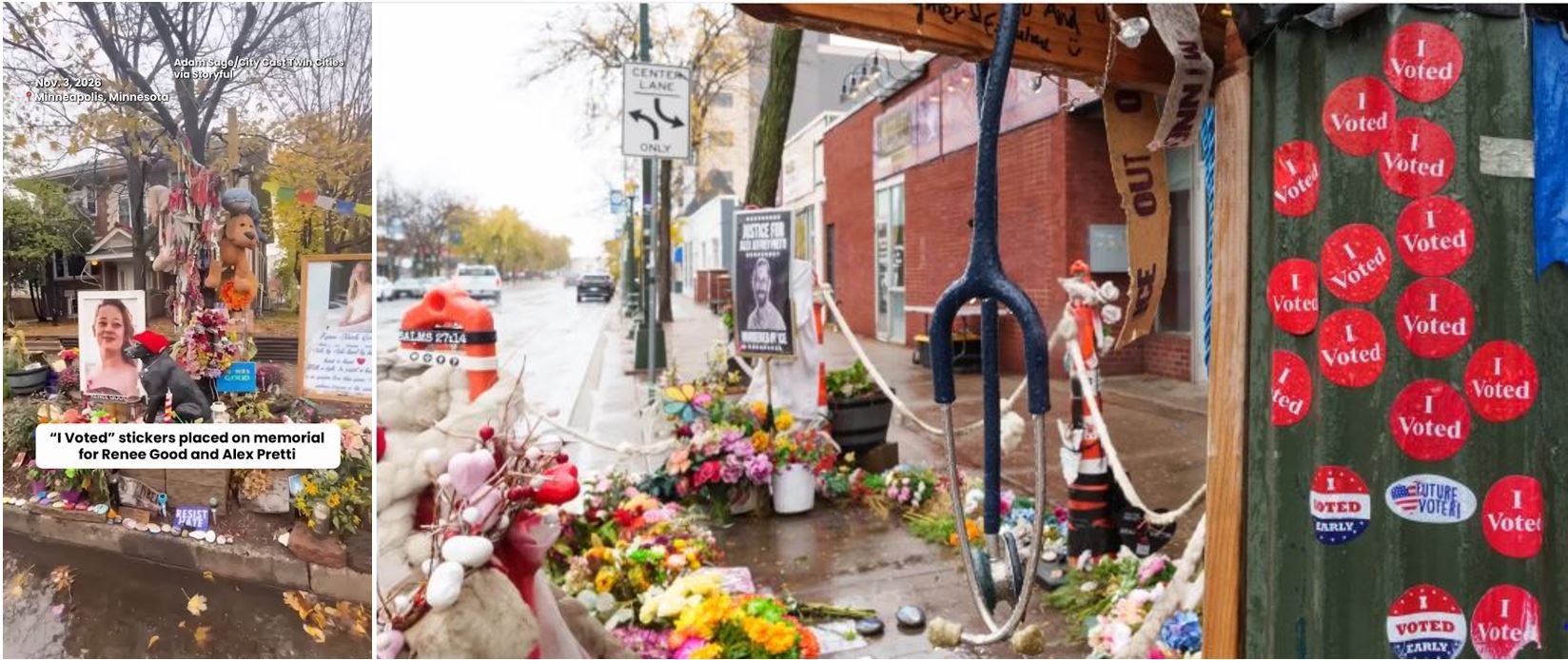
After voting, many people placed their “I Voted” stickers at the memorial honoring Renee Good and Alex Pretti. It was a simple gesture, but a meaningful one. It expressed gratitude to two people whose deaths motivated others to participate in the democratic process.
History remembers tsunamis.
But behind every tsunami is a seismic event, a single moment that transforms private emotions into public action and changes the course of events.
Peace & Love, and all of the above,
Earl